



DANiLab

Dynamics, Astronautics & Neural Intelligence Lab

Physical AI for robotics, manufacturing and space

DANiLab develops AI systems that understand, predict and act in the physical world. We combine world models, vision-language-action models and autonomous control to advance robotics, manufacturing and space missions.
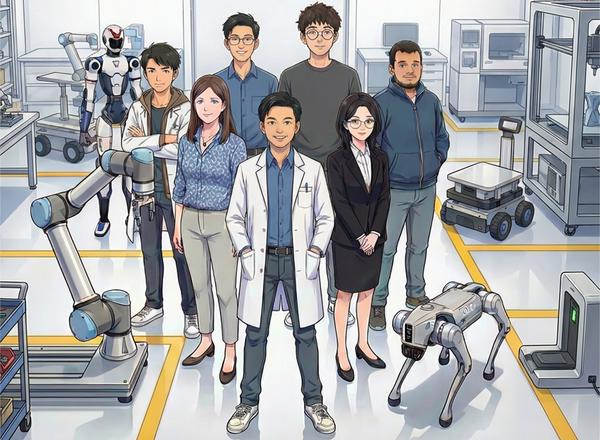
Illustration of the DANiLab team with robotic systems in a laboratory

Research Areas

Physical AI

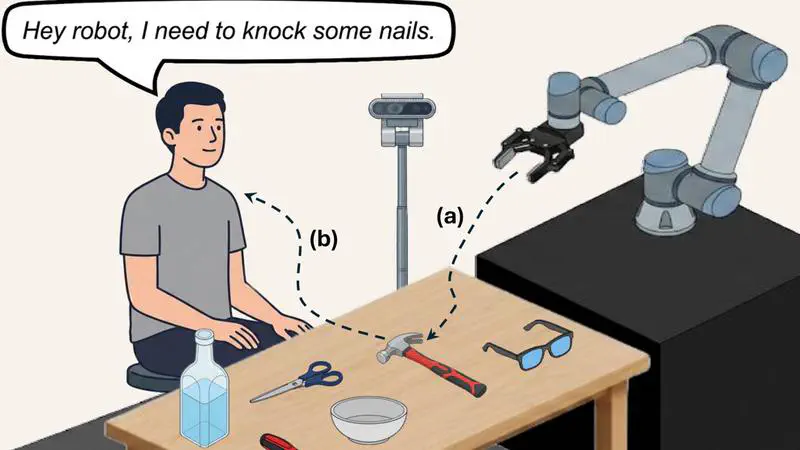
Developing intelligent systems that perceive, reason, learn and act in the physical world.

World Models Vision-Language-Action Spatial Intelligence Robot Learning Human-Robot Collaboration Agentic AI

Space Robotics & Autonomous Systems

Developing intelligent autonomy for spacecraft, robotic missions and in-space servicing, assembly and manufacturing.

Space Mission Autonomy Spacecraft GNC ISAM In-Orbit Servicing Rendezvous and Manipulation

Selected Projects and Funders

Latest News

May 7, 2026

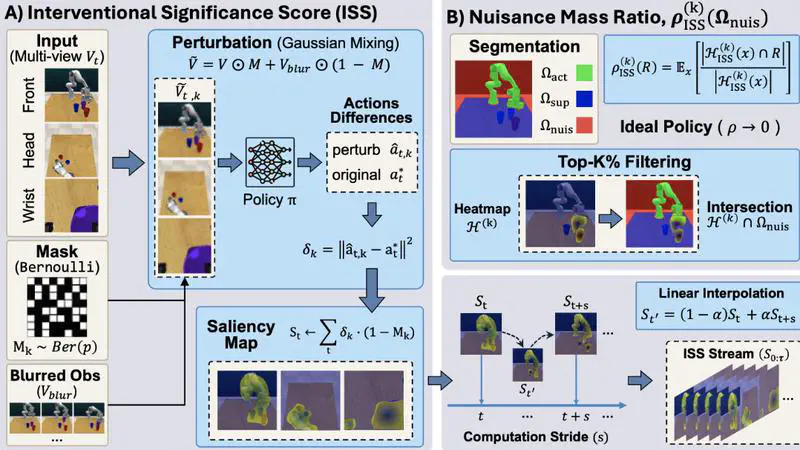
Our Embodied Interpretability Paper Got Accepted by ICML 2026

Our latest work has been accepted at ICML 2026. As VLA models become a key route towards general-purpose robot policies, we should not only ask whether a robot completes a task, but also why it chooses an action. Sometimes a policy can appear to work while relying on the wrong visual cues, such as background texture, lighting, or shortcuts in the scene. Our work provides a way to test this more directly: which parts of the image actually change the robot’s action? This helps researchers diagnose VLA failure modes and better understand why some policies generalise to new environments while others do not.

Read more
Feb 18, 2026

Agibot Visits the University of Leicester

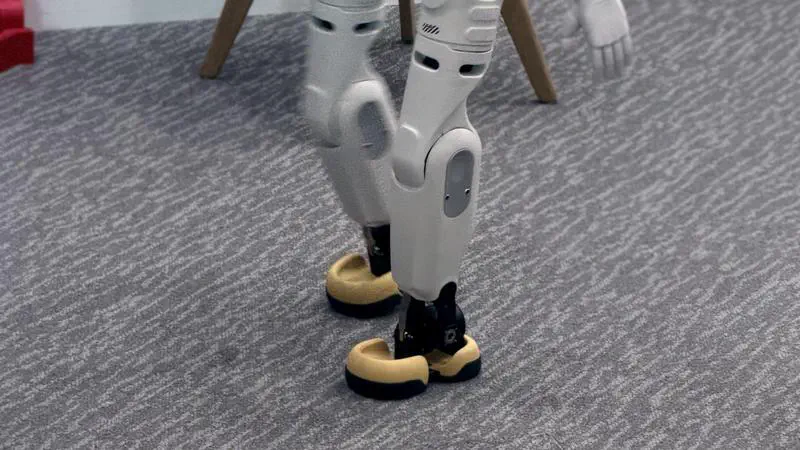
We recently welcomed visitors from Agibot to the University of Leicester. During the visit, Agibot brought several robots and demonstrated their capabilities to researchers and students. The team also had the opportunity to explore our robotics platforms in the lab, including robotic arms, quadruped robots, and aerial systems.

Read more

Work With Us

We welcome enquiries from prospective PhD students, postdoctoral researchers, visiting researchers and collaborators whose interests align with our work in physical AI, robotics and autonomous space systems.